Your operation needs consistent cleaning schedules tailored to specific risks, daily throughput, food allergens, and regulatory visits, with verifiable documentation confirming food safety measures, compliance audits, and public health regulations. The information following provide details about essential explore this cleaning protocols.
Main Points
- Brampton's sanitation specialists provide services to restaurants, grocery departments, commissaries, warehouses, bakeries, schools, mobile vendors, and allergen-sensitive operations.
- They clean high-touch surfaces, food-contact equipment, kitchens, floors, drains, restrooms, and storage areas using zone-based workflows to prevent cross-contamination.
- Approved contractors validate proper chemical concentration, suitability, and contact time, then document conclusion with swabs, assessments, and corrective-action records.
- Optimal maintenance plans factor in hazard, production rate, changeovers, accidents, and guidelines when designating regular, periodic, and seasonal activities by section.
- Select providers with HACCP, sanitation, knowledge, safety training, training, coverage, testimonials, color-categorized instruments, and inspection-ready cleaning files.
Food Safety Cleaning Requirements for Brampton Establishments
Brampton venues that process, store, prepare, package, or distribute food require sanitation protocols. Implement it if your business is regulated by public health inspections, food codes, or HACCP requirements. The mandate covers food venues, break rooms, supply centers, retail departments, butcheries, seafood areas, stores, and facility food prep.
You'll equally need adherent sanitation standards in distribution warehouses, production plants, frozen storage areas, commercial bakeries, educational meal programs, banquet venues, and food delivery services. Seasonal and mobile ventures matter as well, examples being food trucks, event sellers, and temporary stalls. When your team work with ingredients, section ready-to-serve foods, heat meals, or keep allergens stored, your facility requires established hygiene documentation. In Brampton, sanitation remains required; it constitutes statutory, functional, and public health compliance.
What Do Brampton Cleaning Professionals Handle?
Professional cleaning teams specializing in Brampton sanitize touched surfaces, food preparation areas, ground surfaces, and restrooms to satisfy food safety standards and health requirements. Focus on these locations stems from extreme cross-contamination risk, injury hazards, and possible regulatory violations.
When you know their cleaning scope, you can verify that your facility's cleaning scope meets operational and regulatory requirements.
Addressing High-Touch Surface Sanitizing
establish how often each point is disinfected
ensure effective sanitization
Cooking Zones, Walking Surfaces, and Restroom Environments
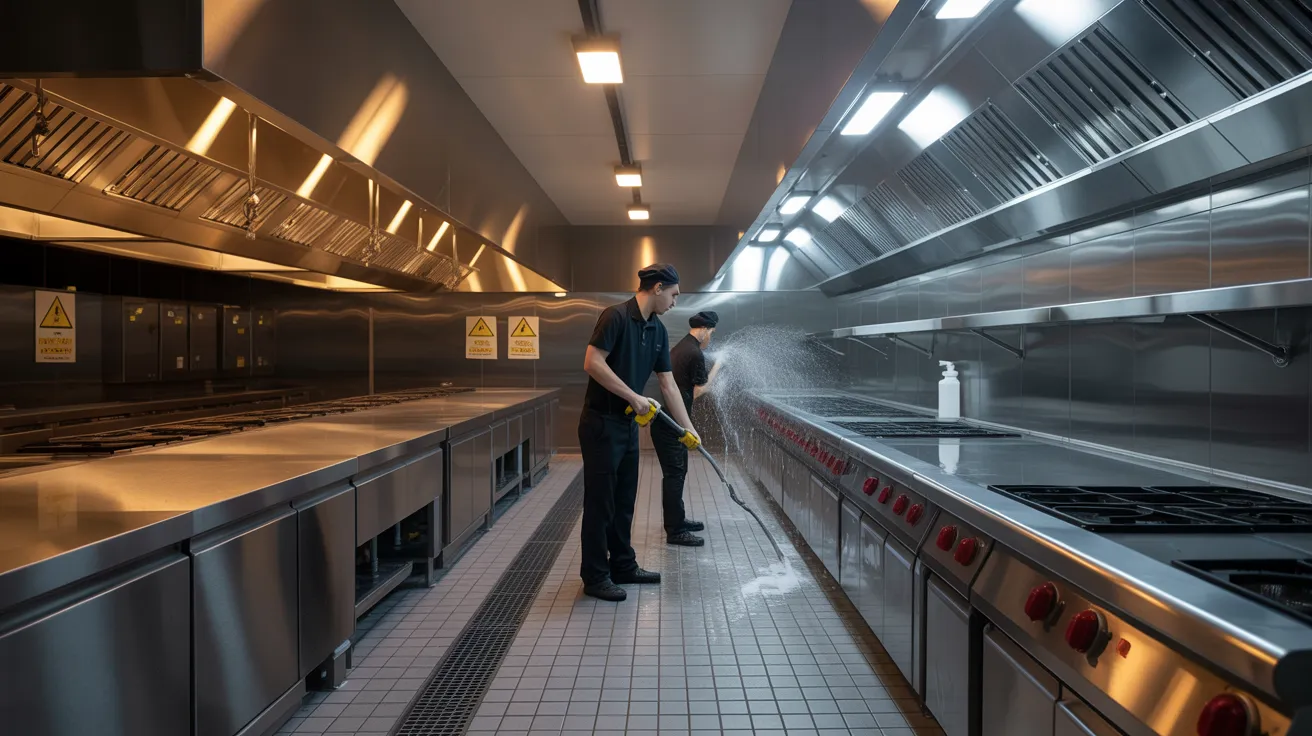
Professional cleaners in Brampton concentrate on kitchens, floors, and restrooms given that each location involves specific contamination control, slip-and-fall, and health code requirements. In industrial kitchens, you need degreasing on cook lines, equipment exteriors, drains, prep surfaces, and splash zones to minimize bacterial growth and pest activity.
Floor care that is recorded should also be anticipated. Technicians scrub and extract buildup from tile grout, ceramic surfaces, and vinyl floors, then apply suitable dehydration methods so you can limit falls and meet regulatory standards. They also handle entry points where dampness and dirt enter the building.
Restroom cleaning involves disinfecting touchpoints, fixtures, partitions, dispensers, and waste containers, restocking supplies and controlling odours. They also maintain restaurant cleaning supply rooms where product storage, sink cleanliness, and drain systems impact daily sanitation standards and worker protection.
Why Food Safety Cleaning Matters in Brampton
To comply with regulatory mandates and succeed in audits, Brampton establishments must follow food-safe cleaning standards. You also minimize bacterial spread through proper cleaning of food-preparation surfaces, appliances, and frequently-touched items. Most importantly, you help protect community wellness by reducing the chance of food poisoning in your establishment.
Health Code Compliance
Brampton food companies must comply with mandatory safety protocols, so food safety cleaning is vital to adhering to health codes, ensuring the safety of customers, and eliminating penalties. You must maintain hygienic food handling zones, recorded sanitation plans, correct sanitizer application, and verifiable staff procedures that correspond to municipal and provincial inspection expectations.
When inspectors assess your operation, they evaluate whether your sanitation system supports protected inventory management, machinery hygiene, waste handling, and facility cleanliness.
Cross-Contamination Prevention
Adhering to health code standards requires your skill in preventing cross-contamination throughout routine preparation and sanitation work. You need to separate raw ingredients from ready-to-eat foods, sanitize work stations after each task, and keep chemicals away from food-contact items. Organized systems minimize contamination events and maintain ongoing regulatory adherence.
Implementing allergen segregation helps ensure major allergens don't touch communal work zones, bins, or devices. Deploy dedicated cutting boards, color-coded tools, and strict utensil labeling so workers don't combine products during preparation or service. Require handwashing after handling fresh proteins, aquatic items, egg products, or allergen materials. Refresh cleaning cloths often, and verify sanitizer strength with test strips. When your team learns these guidelines per shift, you create a cleaner, safer operation that meets Brampton's food safety expectations regularly.
Public Health Protection
When sanitation protocols fails, you don't just face inspection failure—you increase the chance of foodborne illness impacting customers, staff, and the wider Brampton community. You also undermine your responsibility in safeguarding community wellness, especially in high-traffic food premises where contamination can spread quickly through surfaces, equipment, and touchpoints.
You must implement cleaning procedures that eliminate contaminants, effectively sanitize, and verify results. This entails adhering to contact periods, utilizing authorized sanitizers, recording schedules, and coaching staff to fulfill health-unit expectations. These actions support pathogen control by reducing microbes before affecting food surfaces or hands. In Brampton, effective cleaning protects at-risk groups, minimizes disease spread, and demonstrates accountability. When you adhere to proper protocols, you exceed requirements—you meaningfully lower danger and advance safer food handling across the region.
In What Ways Does Cleaning Help Achieve Food Safety Compliance?
Embracing rigorous cleaning routines reinforces food safety compliance by reducing contamination risks, limiting pathogen development, and ensuring your facility complies with sanitation requirements under HACCP-based programs and public health regulations. You validate that product-contact areas appear visibly clean and microbiologically controlled, enabling documented preventive controls and inspection readiness.
Cleaning strategies additionally bolster allergen control by clearing residues that can provoke undeclared allergen exposure.
How Should You Arrange Commercial Cleaning Work?
surfaces can accumulate contamination
Deep seasonal cleaning is most effective for shutdowns, weather-related soil buildup, or pest-pressure periods
Selecting the Right Brampton Cleaning Experts: Key Considerations
Begin by evaluating providers based on food-safe sanitation requirements—not solely on price alone. You should confirm that each organization comprehends CFIA, public health, and HACCP-aligned expectations applicable to your facility. Request proof of insurance, WHMIS compliance, staff training documentation, and oversight procedures. Assess whether technicians recognize cross-contamination risks, chemical handling protocols, and verifiable sanitation records.
You should also assess business dependability and responsibility. Request references from Brampton food businesses, then examine turnaround periods, corrective-action procedures, and communication standards. Confirm the company participates in supplier audits and can present inspection-ready documentation when regulators or third parties request evidence. Check whether equipment maintenance is performed, colour-coded tools are used appropriately, and site-specific hazards are recognized. A qualified provider protects compliance, product integrity, and your brand reputation.
What aspects should a Food Safety Cleaning Plan include?
Put together a written program that establishes every sanitation task, standard, and responsibility before production begins. You should list cleaning frequencies, approved chemicals, dilution rates, contact times, tools, and verification methods for each zone, surface, and piece of equipment. Add pre-operational inspections, corrective actions, and employee training requirements.
Your plan should also include cross-contamination prevention, waste disposal, pest management measures, and scheduled documentation for bathrooms, drainage, ground surfaces, and food-handling zones. Clarify how you'll separate raw and ready-to-eat processes, help with ingredient tracking, and maintain accurate allergen labeling through validated cleaning between product changes. You should define accountability, preserve signed records, and review results against regulatory standards, HACCP controls, and customer requirements. When gaps appear, revise procedures immediately and re-educate staff.
Frequently Asked Questions
Are sanitation providers available for nighttime operations in Brampton facilities?
If you manage controlled environments, you'll also require records that enable inspections and maintain assurance.
Are emergency spill response services provided from Brampton cleaning experts?
Yes, you can locate Brampton sanitation experts providing hazard containment options. They handle hazardous incidents, assess dangers, contain affected zones, and initiate rapid cleanup to minimize exposure and prevent business disruption. You should confirm timeframes, credentials, safety protocols, and disposal methods. If your facility must meet compliance standards, select a service that documents events, follows procedures, and ensures audit compliance.
Will environmentally safe disinfectants sanitize safely food-contact surfaces?
In essence, eco-friendly disinfectants remain safe for surfaces contacting food provided you select items marked food-safe that comply with regulatory requirements. Confirm contact duration, concentration levels, and rinsing needs ahead of deployment. Plant based formulas reduce toxic chemical contact, although you require proof of efficacy against relevant pathogens. For maintaining residue free surfaces, follow exact manufacturer guidelines and validate the sanitizer meets applicable food industry sanitation standards.
Can sanitation programs be tailored for seasonal shifts?
Absolutely, cleaning schedules can be customized for seasonal variations. Modify intervals, personnel, sanitizers, and verification steps to fit seasonal patterns while upholding regulatory adherence. Decrease equipment downtime through scheduling cleaning amid equipment transitions, peak volumes, and equipment use patterns. Further modify written procedures, employee training, and facility monitoring to reflect periodic risks, emerging allergens, or elevated soil levels. Ongoing evaluations maintain your program efficient.
Are commercial cleaners providing employee instruction on sanitation best practices?
Absolutely, professional cleaning companies regularly deliver staff training on hygiene standards. Your team gets training on proper chemical use, contact times, cross-contamination prevention, equipment disassembly, and paperwork. They generally match guidance with HACCP, GMP, and CFIA or regional health authority standards. Many also perform sanitation audits to verify compliance, pinpoint weaknesses, and reinforce corrective actions. This helps you maintain uniform standards, pass inspections, and reduce food safety risks routinely.
Summary
By partnering with Brampton commercial cleaning and food safety experts, you aren't simply tidying—you keep your operation compliance-focused and your standards in compliance. From kitchens to processing floors, every clean surface and organized space decreases contamination and prevents costly issues. By arranging service on the right schedule and adhering to a systematic cleaning protocol, you protect your team, customers, and your credibility. In a heavily controlled environment, clean spaces must be prioritized—they're essential to successful operations.